
Discovering the Fascinating World of RoyalCoins: A Deep Dive
Explore the captivating world of RoyalCoins, a game where strategy and chance intertwine to offer an exhilarating experience.


Jueteng is more than just a game of chance; it is a deeply ingrained cultural phenomenon in the Philippines. With roots that trace back centuries, jueteng has evolved into a controversial topic, a blend of tradition, and an underground economy. In this complex landscape, understanding jueteng requires a look at its history, mechanics, and the socio-economic factors that fuel its persistence.
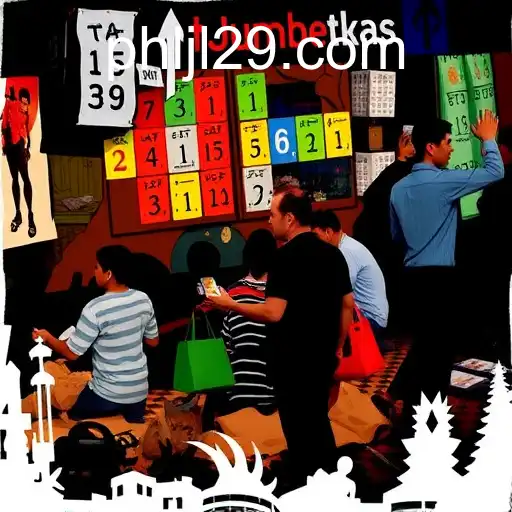
Jueteng is an illegal numbers game that has its origins in the Spanish colonial period. It’s a simple game played by betting on any pair of numbers between 1 and 37. Traditional in small towns and urban areas, jueteng operations serve as a source of income for those involved, from the bet collectors, locally known as kubradors, to the financiers, or jueteng lords. The grassroots nature of the game contributes to its widespread reach, making it a staple in the local gambling culture.
Despite its illegal status, jueteng has continued to thrive due to various socio-economic factors. In regions where job opportunities are scarce, participating in or organizing jueteng offers a livelihood. The informal economy that jueteng supports is vast, with funds circulating among those who might not otherwise have consistent income. This underground network of economic exchange adds layers of complexity to the efforts aimed at eradicating jueteng. Contradictory approaches from local and national governance, which sometimes look the other way due to the economic benefits, highlight the ongoing struggle between legality and social reality.
The political ramifications of jueteng are as significant as its economic and social impacts. Often, jueteng is intertwined with political campaigns and elections, where lords may use profits to finance candidates. This infusion of money into politics not only perpetuates the game but also raises questions about the integrity of political processes. Allegations have surfaced over time that officials turn a blind eye to jueteng in exchange for financial support, further entrenching the game into the socio-political fabric.
Despite numerous efforts to curtail the influence of jueteng, the game persists. Law enforcement agencies sporadically crack down on operations, yet these campaigns often fail to make a long-term impact due to the deep-rooted nature of the practice. Corruption within law enforcement itself can also hinder these efforts. Local authorities may discreetly collaborate with jueteng operators, ensuring ongoing operations. Therefore, genuine reform must tackle corruption at multiple levels.
In the digital age, technology adds a new dimension to jueteng. Modernization attempts have seen the digitialization of the game, moving from traditional paper bets to mobile platforms. Sites such as JL29.COM have popped up, offering yet another layer of anonymity and accessibility to bettors. This shift not only expands its reach but also complicates regulatory efforts, challenging authority as jurisdictions struggle to manage online iterations of the age-old tradition.
Additionally, technology fosters a new wave of participation among younger demographics, potentially reviving jueteng in areas where it was once waning. With the internet providing more discreet avenues for engagement, jueteng not only adapts but also thrives under new conditions.
For many Filipinos, jueteng is more than a game — it is a part of their cultural heritage. With its long history, it's become embedded in local traditions. Conversations about jueteng often evoke sentiments of nostalgia, resistance to change, and a reminder of a communal past. Despite poverty often being a driving factor, the cultural aspect of jueteng can sometimes overshadow its economic implications. Understanding its cultural significance is crucial for outsiders seeking to comprehend why such practices persist despite legal and societal efforts to eradicate them.
Jueteng represents a paradoxical reality in the Philippines: a problematic yet resilient fixture in its social and economic realms. On one hand, it provides livelihoods and fosters community ties; on the other, it perpetuates cycles of poverty, corruption, and political manipulation. Any attempt at eradication must address these realities, incorporating community voices and perhaps introducing alternatives to ease the transition from illicit to licit activities.
Reforms focused purely on enforcement without understanding the underlying cultural and economic factors may prove ineffective in changing the status quo.
If you're looking for a reliable, fully licensed, and secure sportsbook with a wide selection of games, JL29.COM is the perfect choice. We're committed to providing you with the best online betting experience, with premium quality, excellent service, and continuous innovation. Sign up now and receive ₱777 for free!
Join now
Get the latest information, experience and betting strategies from the expert team at JL29.COM.
Explore the captivating world of RoyalCoins, a game where strategy and chance intertwine to offer an exhilarating experience.

Discover the adventurous world of PirateQueen, where strategy and exploration blend seamlessly.

Dive into the immersive world of JungleKing, a game that combines adventure, strategy, and challenges to captivate players globally.

Delve into Mjolnir, a captivating game that combines Norse mythology with immersive gameplay, and explore the strategic intricacies of its dynamic world.

Explore the thrilling game of MasterTiger, a strategic adventure that challenges players to think critically and make strategic decisions.

Discover DiamondExplosionPatriots, an exhilarating online game that fuses intense strategy with explosive action, against the backdrop of current global themes.
 Join now